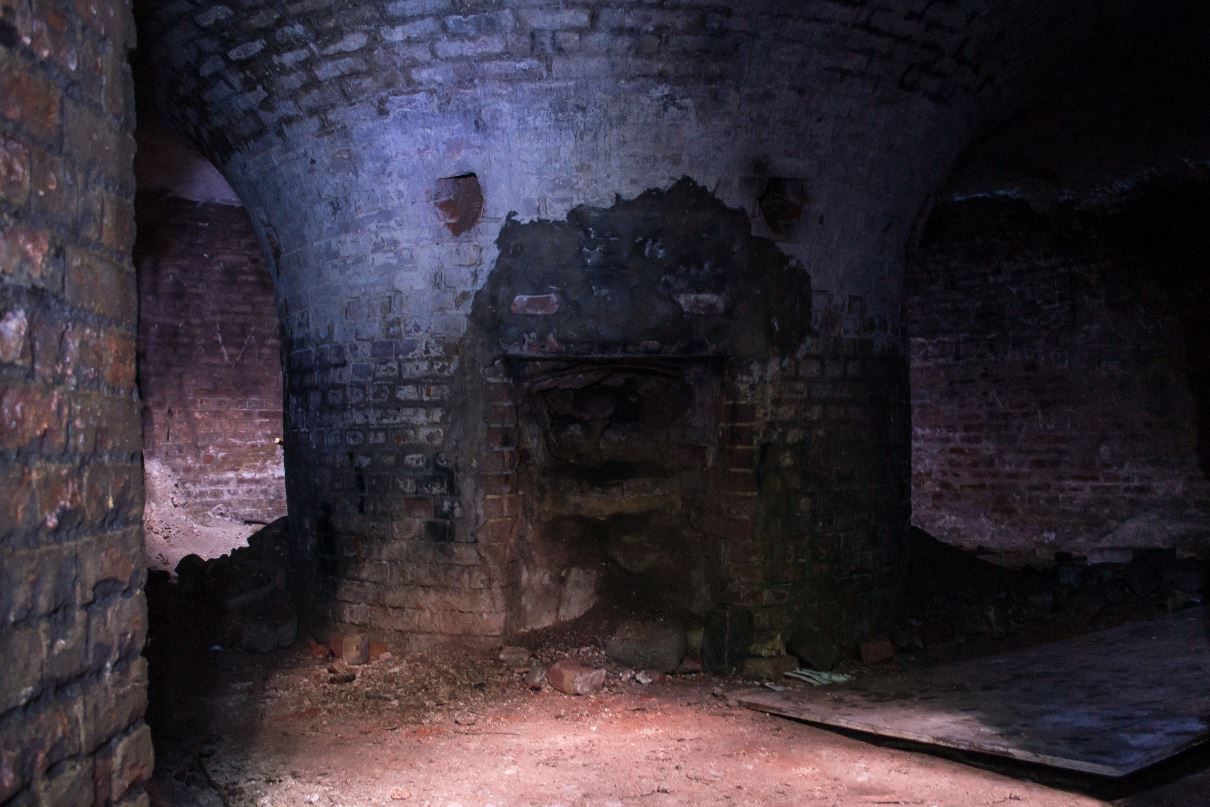
Newmarket Road Chalk Mine and Lime Kiln (Eaton Chalk Pit)
Norwich was mined for chalk and flint from the middle ages until the start of World War 2.
Norwich City Councils website has some good information about Norwich’s mining history (at least it used to! just checked and this link is now broken in 2019) http://www.norwich.gov.uk/services/Pages/ChalkWorkings.aspx
Archive.org link to Norwich City Council – Chalk Workings
As the site is designated as an SSSI for bats, it should not be visited. – See more at: http://www.heritage.norfolk.gov.uk/record-details?MNF63893-Eaton-Chalk-Pit&Index=55453&RecordCount=57339&SessionID=8947afc7-0dff-4e51-8037-bccc0ec0f069#sthash.Rj2NS6sc.dpuf
https://en.wikipedia.org/wiki/Eaton_Chalk_Pit
http://www.sssi.naturalengland.org.uk/citation/citation_photo/1001757.pdf
Info from the above link (that website doesn’t seem to work either in 2019):
This site consists of a series of abandoned chalk mines that were probably excavated in the early part of the nineteenth century. The undisturbed tunnels are now used by various species of bat which hibernate underground during the winter months. The bats have been closely monitored for many years and the site forms an important research site for longterm studies in bat ecology. Nationally, bat populations have shown severe declines in recent years and are given special protection under the 1981 Wildlife and Countryside Act. The tunnels are used principally by Daubenton’s Bat Myotis daubentoni, Natterer’s Bat M. nattereri and Brown Long-eared Bat Plecotus auritus. Up to 40 bats use the site with peak numbers occurring in January. A metal grille has been placed over the cave entrance to protect the bats from unauthorised interference. The surrounding woodland in the chalk-pit influences the micro-climate within the bat caves and thus forms an integral part of the interest of the site.


There are also the remains of a lime kiln nearby hidden within the woodland.
Lime kilns were often built for the production of lime mortar for use in the construction of nearby buildings.
Calcium carbonate usually in the form of chalk or limestone was burnt (at temperatures in excess of 900°C) in lime kilns to produce lime (calcium oxide).